The meat-and-three is North Carolina's working lunch: one meat, three sides, a biscuit or cornbread, sweet tea. It sounds like arithmetic, but building a good plate is a small skill, because the sides are not interchangeable. Some are rich, some are sharp, some are there to soak up gravy. A cafeteria line at a place like Julia's Talley House in Troutman gives you the whole board at once. Here is how to read it like a regular.
The plate, planned before the tray moves
- Choose the meat first; everything else is chosen to stand next to it.
- Take one rich side, one plain side and one sharp or pickled side.
- Include something that can carry gravy or pot liquor across the plate.
- Add one raw or cold item, slaw or salad, for contrast in temperature.
- Leave room: the biscuit counts as a side whether you planned it or not.
Balance beats appetite
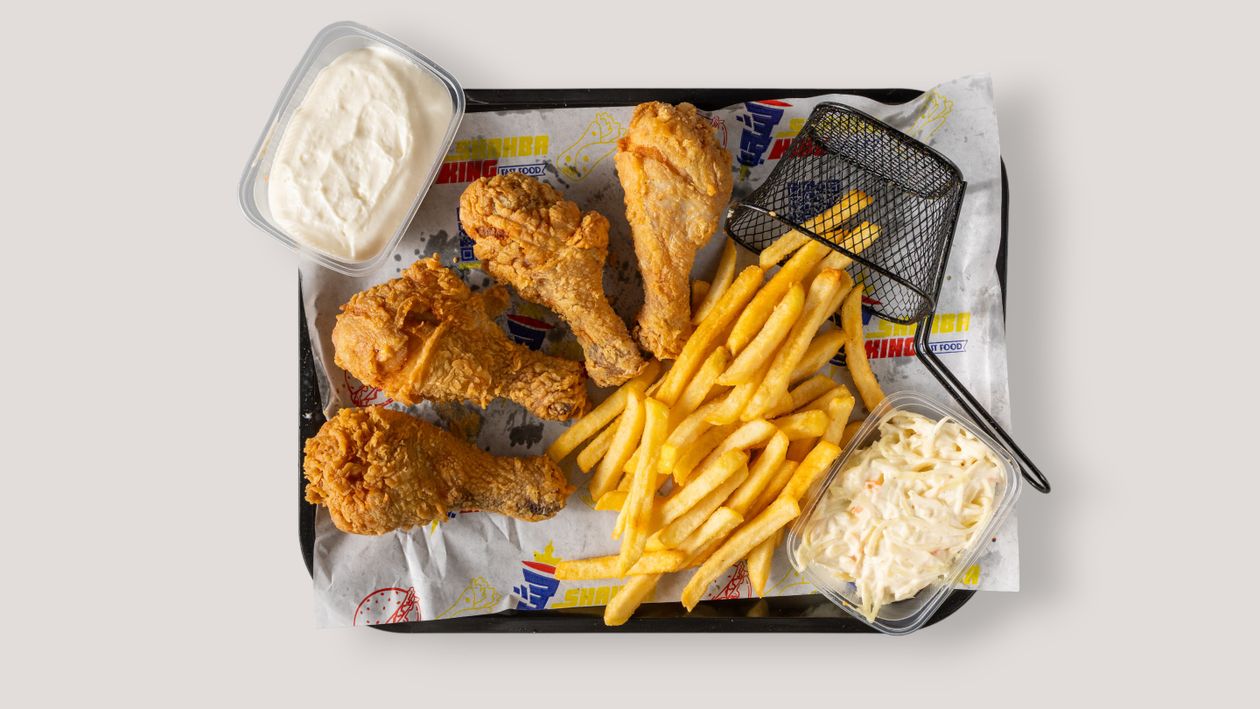
The rookie plate is three rich sides deep: macaroni and cheese, broccoli casserole and mashed potatoes with gravy next to fried chicken. It tastes wonderful for four bites and then turns into a nap. The regular's plate mixes registers: fried chicken, green beans cooked with a little pork, pickled beets, and slaw. Something crisp, something tangy, something green. Southern cooking gets caricatured as heavy, but a well-built meat-and-three plate is a balanced meal wearing work clothes, protein, cooked greens, beans, a fermented or pickled bite.
Vegetable plate: the insider order
Most meat-and-three lines will sell you a plate of three or four vegetables with no meat at all, and in summer, when the sides run to fresh corn, squash, tomatoes, black-eyed peas and fried okra, it is the best plate in the house. Old hands order it during peak produce season without a second thought. The kitchen's skill shows in vegetables more than anywhere: they are cooked in batches all day, and the difference between green beans held properly and green beans held to death is the difference between a good line and a tired one.
Sweet tea and other line logic
Sweet tea is the default drink of this format for a practical reason: its sweetness and tannin cut the richness of fried and gravy-covered food the way lemonade does. Dessert sits at the end of the line for a reason too. Cobbler decisions made with a full tray in hand are wiser than cobbler decisions made hungry at the start. Regulars glance down the whole line before picking up a tray at all; the full survey takes ten seconds and prevents most regrets.
Drinks and dessert are part of the build
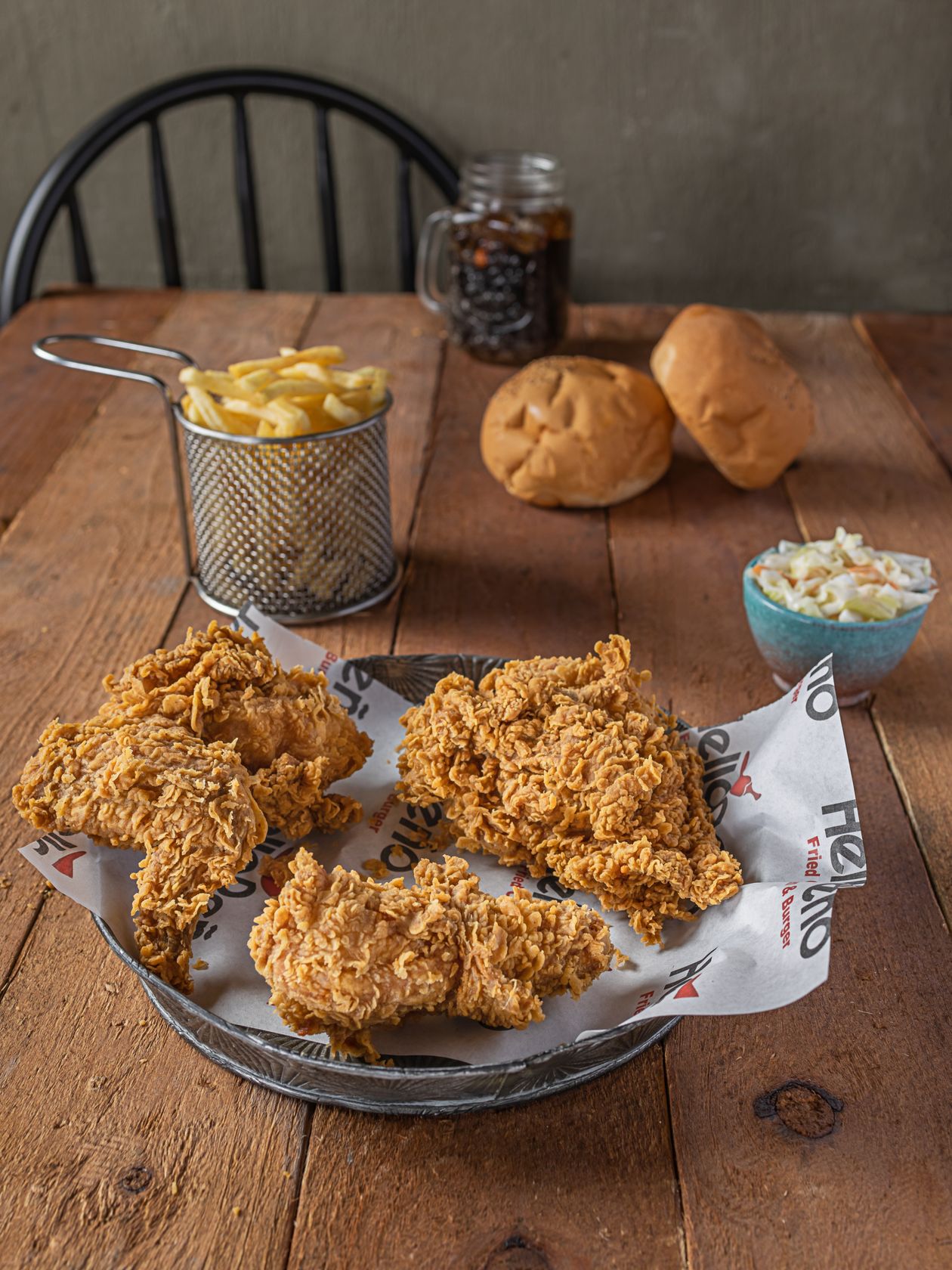
Two decisions at the edges of the plate matter more than people expect. The drink is a tool: sweet tea and lemonade both cut richness, while water leaves a heavy plate to fend for itself, which is why the tea pitcher is a fixture of the format. Dessert works best chosen after the tray is full and your appetite has filed its honest report. Cobbler with a scoop of ice cream is a commitment; banana pudding is lighter than it looks. Regulars often split the difference and take dessert to go, which country kitchens handle without blinking, and which turns lunch into a second small event at home that evening.
And a final piece of line wisdom: the vegetable of the day, the one in the freshest pan, beats the theoretically perfect plate. Build around what the kitchen is proudest of that day and the arithmetic takes care of itself.
Regulars also know the plate changes with the day of the week in most country kitchens, because the rotation is weekly as much as seasonal. A side you missed Tuesday may anchor Friday's line, and the meat you came for may rest on Thursdays. None of this is written down for the customer, which is precisely why the standing advice at the register, ask what is good today, outperforms any plan made in the car. The line rewards the flexible and gently corrects the rigid, one tray at a time.
Common questions
Does macaroni and cheese count as a vegetable?
On a meat-and-three line, yes, and nobody in the South is interested in debating it. The format counts it as a side, which is the only classification that matters at lunch.
How many sides can I get?
The standard plate is a meat plus three sides, with extra sides usually available for a little more. A four-vegetable plate with no meat is a standard order at most country kitchens.
What is pot liquor?
The seasoned cooking liquid left from greens or beans, full of flavor from the pot. It is traditionally sopped up with cornbread, and wasting it is considered poor form.
Photos in this guide are representative stock images.
← All guides from Julia's Talley House← Back to Julia's Talley House