Southern home cooking runs on the farm calendar, and a country kitchen that cooks from scratch, the way Julia's Talley House does in Troutman, still shows the seasons on the line. The fried chicken does not change. Everything around it does, because the vegetables worth eating in Iredell County in July are not the ones worth eating in January. Knowing the rhythm helps you order the plate that the kitchen itself is proudest of that week.
Spring: the green season opens
The first fresh sides of the year arrive as the fields around Troutman green up: young greens, early peas, strawberries heading for dessert. Spring cooking tastes like relief after a winter of storage crops, and kitchens lean into it. Strawberry desserts, in particular, have a short and celebrated run; when they appear on a country line, regulars do not ask questions, they order.
Summer: the line at full strength
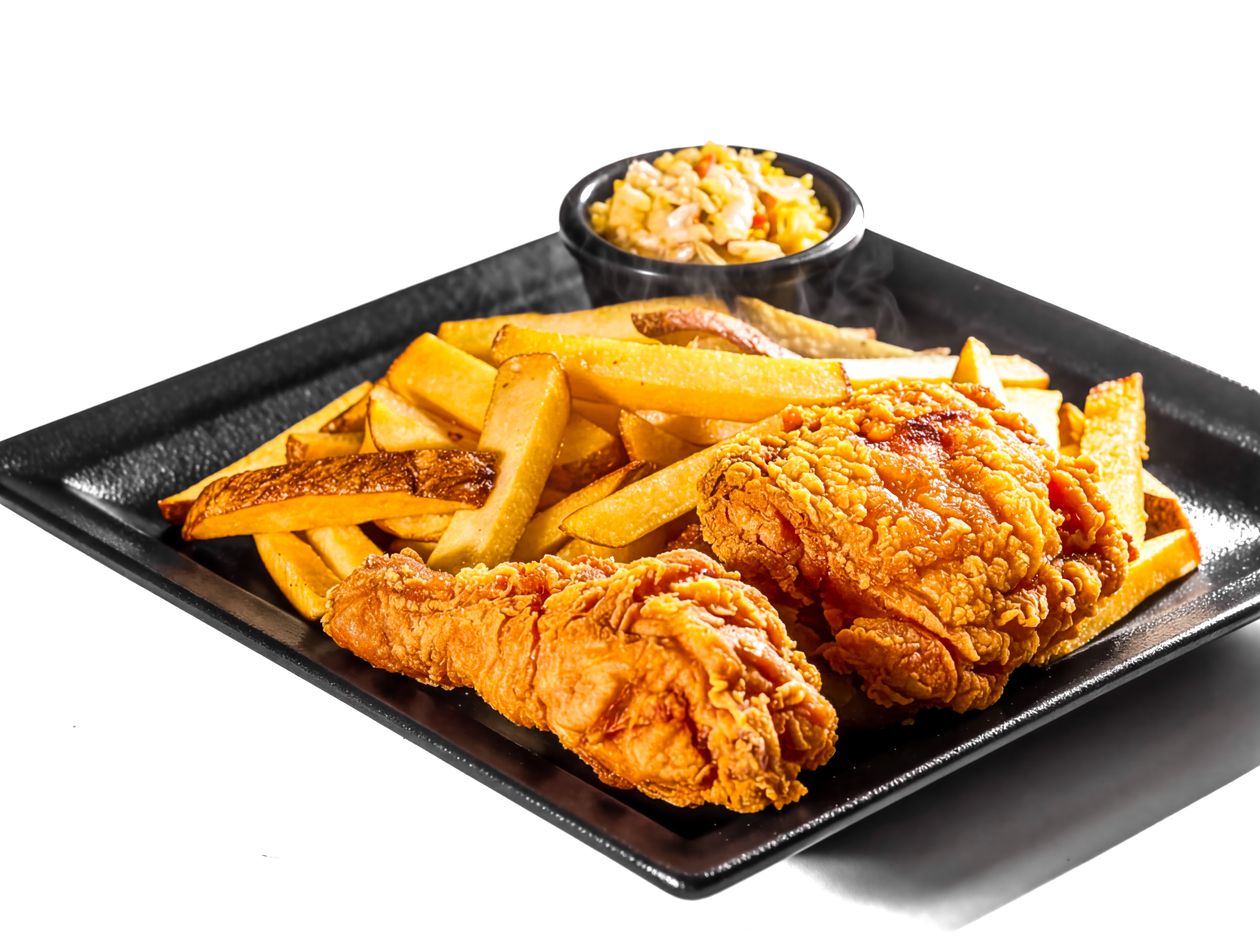
Summer is the meat-and-three's home season in the Piedmont. Squash, corn, tomatoes, okra, green beans and field peas are all in at once, and a vegetable plate in August is one of the great cheap meals in North Carolina. Peach season brings the dessert everyone waits for: peach cobbler and peach dumplings, the same fruit that makes July in the Carolinas smell the way it does. Heat also changes how people eat: lunch crowds come earlier, sweet tea consumption reaches its annual peak, and cold sides like macaroni salad and slaw carry more of the plate.
Fall and winter: the stored and the slow
As fresh produce narrows, the kitchen turns to what keeps: sweet potatoes, turnips, dried peas and beans, cabbage. The cooking gets slower and richer, more casseroles, more gravy, desserts leaning on apples and pecans. This is not a lesser season; it is a different cuisine, the one built for short days. A winter vegetable plate trades summer's brightness for depth, and regulars who only visit in July are missing half the repertoire.
How to use the calendar as a diner
Ask one question at the line: what came in fresh, or what is the kitchen running this week. Country kitchens cook their rotation around supply, and the dish the staff mentions first is usually the one at its peak. Order it even if it was not your plan. Seasonal eating at a restaurant like this costs nothing extra; it only requires paying attention, and it is the closest thing lunch has to a local sport.
What regulars do with this knowledge
Regulars at a seasonal kitchen keep a private calendar. They know which weeks the strawberries land in dessert, when the squash casserole is at its best, which month the greens turn sweet after the first cold nights. They plan visits the way fishermen plan tides, lightly, without announcing it, and they are never disappointed by a missing favorite because they understand the dish is not gone, just out of season. That patience is the cultural core of this cooking. A menu that can be served identically in January and July is a menu disconnected from the ground it sits on; a kitchen in a farm town that cooks with the year is making an argument about where food comes from, one lunch line at a time.
There is a budget angle hiding in the calendar too. Seasonal vegetables are the ones the kitchen can buy well and cook in volume, so the vegetable plate in peak season is often the best value on the whole menu, a full survey of the region's summer for the price of a sandwich elsewhere. Eating with the seasons is sometimes framed as a sacrifice. At a Troutman lunch line in August, it looks a great deal more like a bargain wearing overalls.
Common questions
When is peach cobbler season in North Carolina?
Peach season in the Carolinas runs roughly from June into August, peaking in July. That is the window when fresh peach cobbler and dumplings show up on country-restaurant lines.
What sides are best in winter?
Sweet potatoes, turnip greens, dried peas and beans, cabbage and the casserole family. Winter sides are slower-cooked and richer, built on storage crops rather than fresh harvests.
Does the menu change every day?
Country kitchens run a rotation: anchors like fried chicken appear most days, while vegetables and desserts turn with the week and the season. Asking what is on today is normal and expected.
Photos in this guide are representative stock images.
← All guides from Julia's Talley House← Back to Julia's Talley House